A Comprehensive Guide to Solar Panel Installation
Wiki Article
As the world moves toward cleaner energy solutions, solar and roofing services are becoming a preferred choice for homeowners and businesses aiming to reduce power bills and carbon footprints. Installing solar power systems is a smart investment, but comprehending the process and considerations involved is important for a successful transition to solar power.
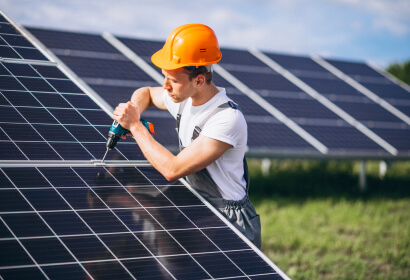
Why Go Solar?
Solar power offers numerous benefits:
Cost Savings: Reduced energy bills over time.
Sustainability: A renewable and eco-friendly source of energy.
Energy Independence: Less attachment to utility companies.
Incentives: Government rebates, tax credits, and net metering programs.
Step-by-Step Solar Panel Installation Process
1. Site Assessment
A solar installer visits your property to evaluate:
Roof orientation and angle
Shading from nearby trees or buildings
Roof condition and surface area
Energy consumption history
This helps determine system size, placement, and estimated output.
2. System Design
Based on the website assessment, the installer designs a personalized solar system tailored in your energy needs. Key decisions include:
Number and type of solar power systems
Placement on roof or ground
Type of inverter (string, micro, or hybrid)
3. Permits and Paperwork
Before installation begins, permits and approvals have to be obtained. This typically includes:
Local building permits
Utility interconnection agreements
Incentive program applications
Your installer usually handles this step.
4. Installation Day
The physical installation typically takes 1–3 days depending on system size. The process involves:
Mounting racking systems
Installing solar panels
Wiring and connecting inverters
Setting up monitoring systems
5. Inspection and Approval
After installation, a town or utility inspector will verify the machine is safely installed and compliant with regulations.
6. Connection to the Grid
Once approved, your solar method is connected to the grid. If your system produces more energy than you employ, excess power is shipped back to the grid — potentially earning you credits via net metering.
Key Considerations Before Installing Solar Panels
Roof Condition: It’s cognizant of replace an ageing roof before adding panels.
Energy Needs: Review past electric bills to estimate your system’s size.
Budget and Financing: Solar systems can be obtained, leased, or financed with loans.
Local Incentives: Check for federal, state, and local rebates or tax incentives.
Installer Reputation: Choose certified, experienced professionals with good reviews.
Solar panel installation is often a valuable investment in clean energy and long-term savings. With the right planning plus a qualified installer, the transition to solar may be smooth, efficient, and rewarding. As technology advances and solar gets to be more affordable, now could be an excellent time and energy to explore how solar energy can work for you personally.